Yes, a 100-year-old solid hardwood floor in Denver can still be refinished as long as enough sandable wear layer, the wood above the tongue, remains. Plenty of homes in a neighborhood like Baker still sit on their original boards from the 1880s through the early 1900s, and a lot of those floors still have sanding life in them. Curtis Park, Denver’s oldest surviving residential area, sits next to the city’s early urban core, where most of the buildings in the historic district went up between 1885 and 1890 and are mostly masonry, with some wood frame examples still standing.
Roughly one in six Denver housing units were built before 1940. Bringing an old wood floor back is less about guessing from the build date and more about reading the actual boards in your home.
A century-old floor may have been sanded before, maybe more than once, and every full sanding takes a thin layer of wood off the top. The surface you walk on may look tired from scratches, cupping, or a yellowed old finish, but the main question is whether enough wear layer, the wood above the tongue-and-groove joint, remains to take another pass. That is something a flooring pro checks in person, for example by measuring the board edge at a floor vent register, and it should be checked in several spots, not just one.
Wood species matters too. Many of the city’s older homes have Douglas fir floors, and fir is softer than oak and dents more easily. Fir floors can still be refinished. Sanding technique matters, since the contractor’s skill and equipment affect how much wood each sanding removes, so checking the boards up front saves you from sanding a floor that should have been left alone or only lightly buffed.
Is it worth refinishing old hardwood floors?
If the floor is sound, yes, refinishing an original floor is worth it. The old-growth wood in a 100-year-old floor has a tightness of grain and a character that new flooring sold today cannot match. A floor that is structurally sound and still has thickness to sand is one of the better features an old house has.
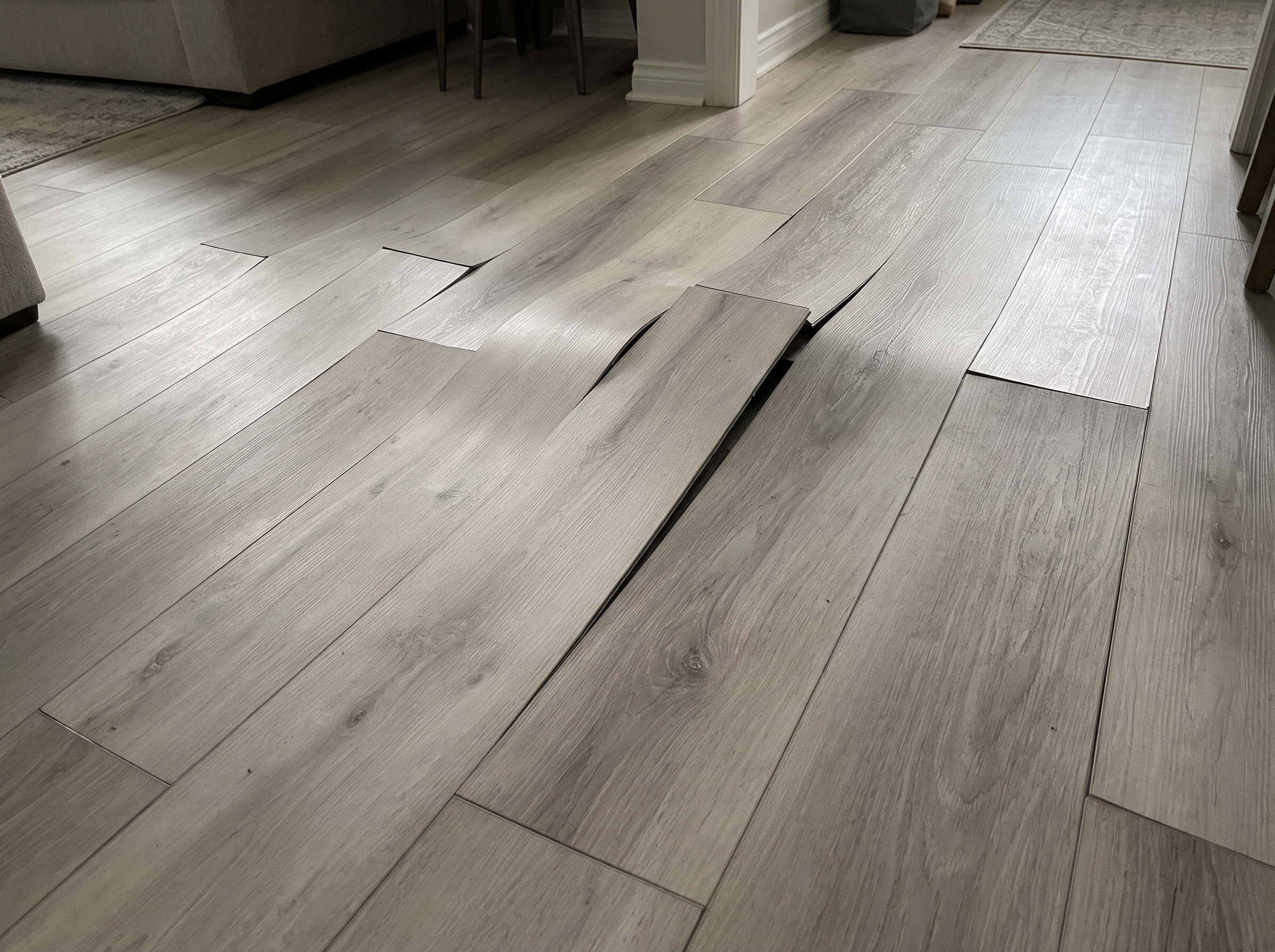
There are cases where it is not worth it. If the boards have been sanded down so far that nails are showing, or if there is substantial water damage, replacing the affected boards or the floor may make more sense than refinishing. Douglas fir, found in many older Denver homes, is softer than oak, so it dents and shows wear more easily. A straight look at the wood tells you which situation you are in, and that is worth getting before you spend money either way.
How can I restore a 100-year-old hardwood floor?
Restoring a century-old floor starts with reading what you have, then picking the right level of work. There are two real paths, and the one that fits depends on how worn the floor actually is.
- Full sand-and-refinish: the floor is sanded down to bare wood, stained if you want a different color, and sealed with fresh finish coats. This is usually the route for floors with deep scratches, worn-through gray wood, pet stains, or peeling finish. It removes a layer of wood, so it is the heavier option.
- Screen-and-recoat: the existing finish is buffed and a fresh coat goes over it, with no sanding into the wood. This generally works only when the wear has not reached the wood itself, and because it does not sand into the wood, it leaves the floor’s thickness for future refinishing.
On the oldest floors, the first move should be checking how much wood is left above the tongue, since boards sanded too thin can split along the groove. A careful approach to old wood floors matches the method to the floor instead of defaulting to a full sand on every job. Dustless sanding systems can cut down on the dust a refinish leaves on the built-ins and millwork these old houses are known for.
Can you refinish hardwood floors that were under carpet?
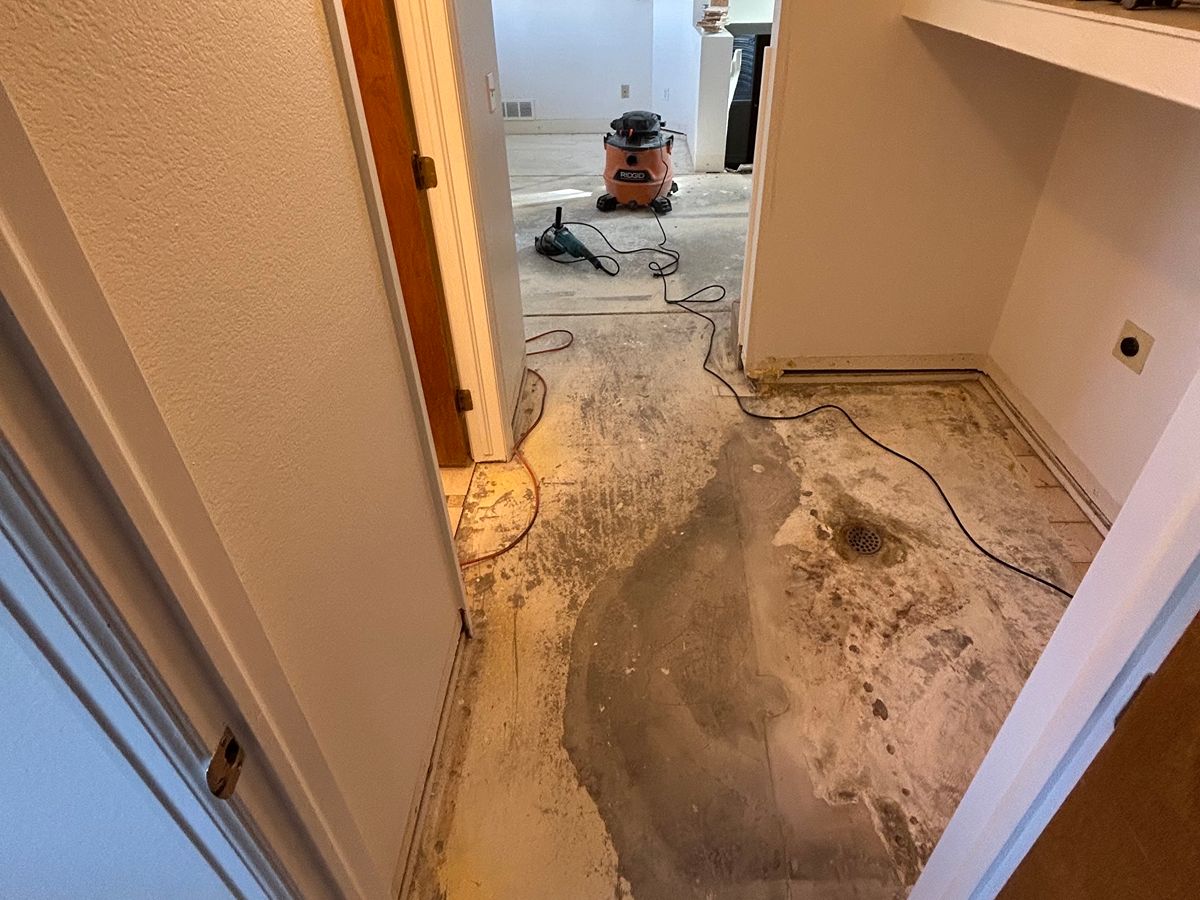
Often yes, and pulling carpet off an old floor can reveal original wood worth saving. Carpet protected the finish from foot traffic for decades, so the wood underneath is sometimes in better shape than the exposed floor in the next room. Once the carpet and pad come up, you can see what you are actually working with.
What you find varies floor to floor, so it is worth setting expectations. Stretched carpet is typically held at the edges by tack strips nailed around the room’s perimeter, which leave nail holes when pulled up, and the pad may have been stapled down, which leaves staple holes. Old pad can also leave adhesive residue on the finish. You may also see a color difference, where the wood that sat under carpet is lighter than the wood that was exposed at a doorway or a heat register. None of these are guaranteed, and none of them automatically rule out a refinish. A full sanding usually resolves staple holes, pad residue, and color differences, while tack-strip nail holes along the edges may need filling.
Will my old floors look brand new after refinishing?
They will look dramatically better, but a 100-year-old floor can still show some of its history after refinishing, and that is worth knowing before the work starts. Refinishing strips the old finish and the top worn layer, so the fresh color and sheen make a huge difference. What refinishing cannot always erase is a century of history baked deeper into the wood.
Some things tend to stay. Deep stains that soaked into the wood and gaps between boards that never fully close can remain visible after a full sand-and-refinish. Douglas fir is softer than oak, so fir floors tend to show more dents. You may prefer to keep that character rather than sand it into something that feels like a new build. If a flawless, uniform look is the goal, that is a conversation to have up front, because stains that will not sand out may call for replacing those boards rather than refinishing alone.
If you own an old Denver home and you are staring at tired, scratched, or carpet-covered wood floors, start by finding out what your boards can actually handle. Our wood floor refinishing in Denver covers original hardwood across the city, with free in-home estimates and samples brought to your house so you can pick a stain color in your own home, and every job carries our 100% satisfaction guarantee plus a full 18-month warranty. Call CMC Flooring LLC at (720) 382-3006 to set up a look at your floors.