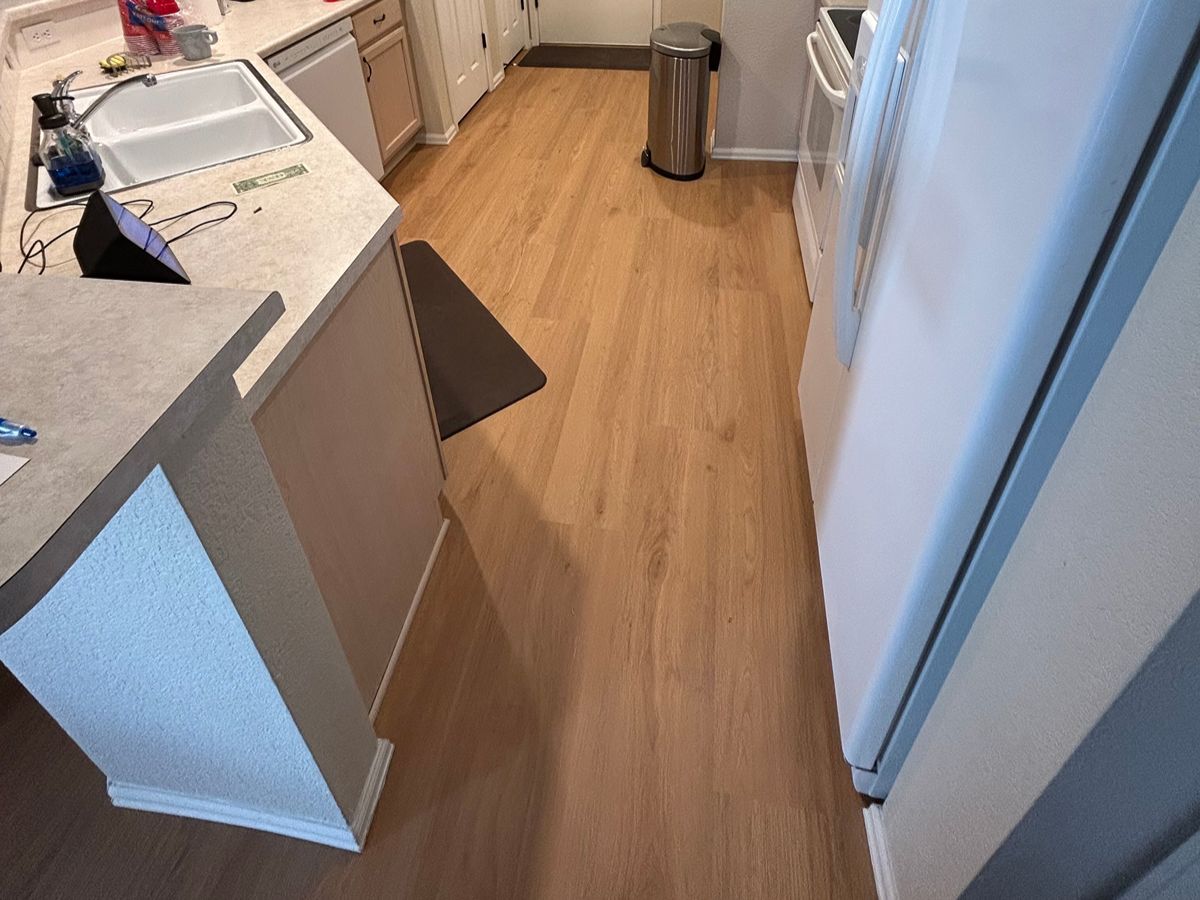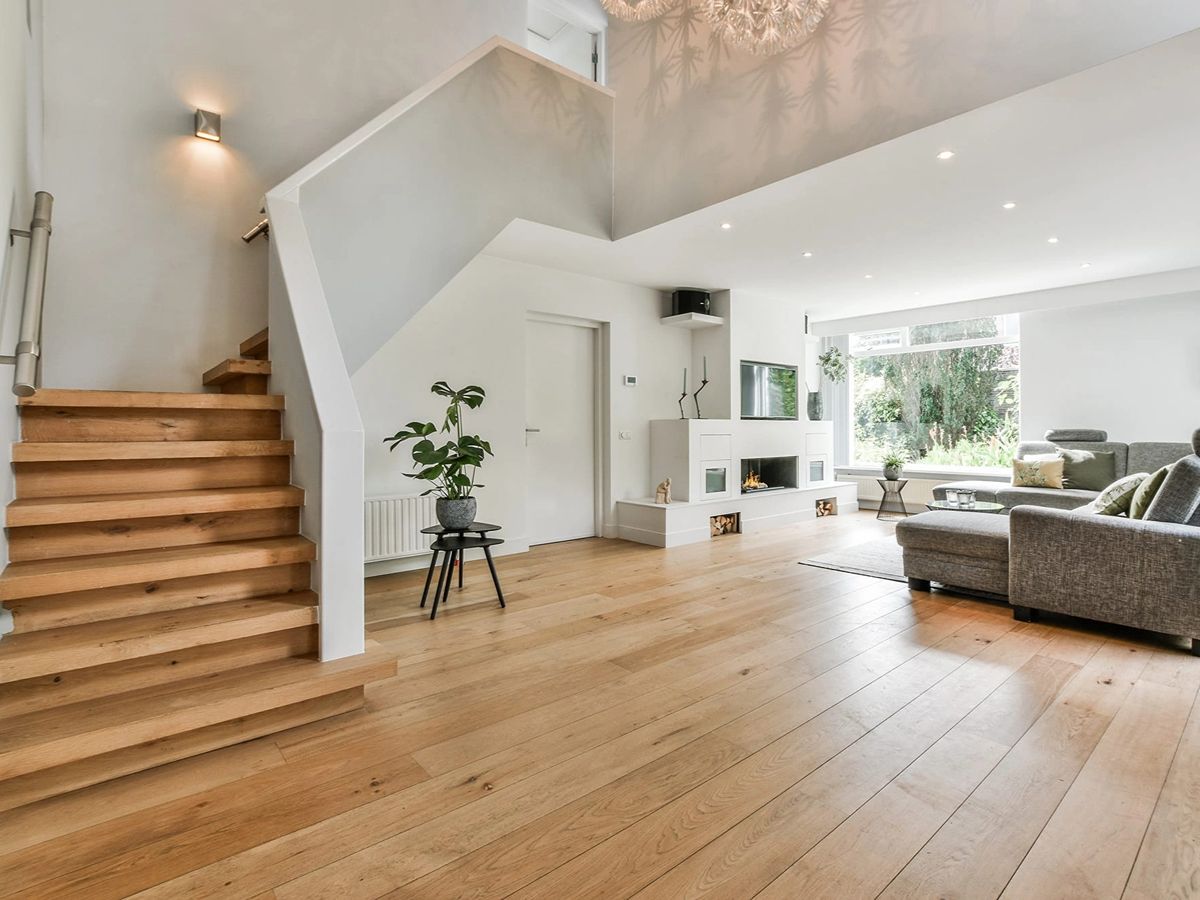
Yes, hardwood flooring generally helps a Denver home sell, and it tends to be one of the better-returning upgrades a seller can make. National data from the National Association of Realtors 2022 Remodeling Impact Report puts new hardwood installation at an estimated 118% return on investment, meaning most sellers recover the full cost plus a little more. That figure is national, not a Denver-specific number, but it points in a clear direction.
Denver’s market gives that a real backdrop. As of mid-2026 the metro median sale price sat around $600,000, and homes that sold spent a median of about 19 days on the market, so buyers are still moving but they are being choosier than they were a few years back.
Part of what makes hardwood land well here is the housing itself. A large share of Denver’s core neighborhoods were built in the early 1900s, and buyers shopping those blocks often expect wood underfoot rather than carpet. When a home shows updated or well-kept hardwood in the living and dining areas, it reads as move-in ready, and that perception is worth real money in offers. The flip side matters too: worn carpet or dated flooring gives a buyer a mental to-do list, and they tend to knock more off their offer than the work would actually cost you.
The local wrinkle is Denver’s old building stock. Baker, Park Hill, and Washington Park are full of craftsman bungalows and Denver Squares built in the late 1800s and early 1900s, with Park Hill’s homes spanning roughly 1893 through 1930, and many of them still have original fir, pine, or early red oak floors hiding under carpet. In a lot of those homes the highest-return move is not new wood at all, it is uncovering and refinishing what is already there. Post-war brick ranches in areas like Virginia Village and Harvey Park often hide original red oak under carpet as well.
How much does installing hardwood floors increase home value?
There is no single dollar figure that holds true for every Denver home, but the national research is consistent. The NAR 2022 Remodeling Impact Report estimates that new hardwood floor installation returns about 118% of its cost at resale. Buyer preference backs that up: around 54% of buyers say they would pay more for a home with hardwood, and NAR estimates that premium at roughly $6,500 for new wood flooring and about $5,000 for refinished hardwood.
Read those numbers as national averages, not a promise for your exact address. What actually moves your sale price is your price bracket, the condition and species of the wood, and how the rest of the home shows. In Denver, where the median sits near $600,000, hardwood in the main living areas tends to help a listing stand out, and homes that already look done tend to draw cleaner offers. The safer way to think about it is that good wood floors protect your value and speed up the sale rather than adding a fixed sum on top.
Is hardwood or engineered hardwood better for resale?
For resale, solid hardwood carries the strongest reputation with buyers, but engineered hardwood is a real hardwood floor too and holds up well, especially in the right spot. The difference is in the build. Solid planks are one piece of wood and can be sanded and refinished several times over their life, while engineered planks use a real wood top layer over a stable core, which limits how many times they can be refinished.
Which one wins depends on the home and the room. In Denver’s historic core, where buyers expect character and original wood, solid hardwood usually reads as the premium choice. Engineered flooring earns its keep over concrete slabs and in below-grade spaces, since Denver basements run cool and can hold moisture, and the layered core handles that swing better than a solid plank. Both are a step up from carpet in living and dining areas, and buyers in higher price brackets tend to notice the difference. If you want to compare species and construction in your own light before deciding, that is exactly why we bring samples to the home.
What are the disadvantages of hardwood floors?
Hardwood has real trade-offs, and it is worth knowing them before you commit. The main ones are cost, water sensitivity, and upkeep.
- Higher upfront cost. Solid and engineered hardwood usually cost more per square foot than laminate or vinyl plank, both for the material and the labor to install it right.
- Water and moisture. Wood does not love standing water. A dishwasher leak, a plumbing failure, or spring snowmelt working into an older Denver foundation can damage boards, though water-damaged hardwood is usually repairable rather than a full tear-out.
- Scratches and wear. High-traffic paths, pet claws, and grit tracked in from outside will show over time, so busy households often want a harder species or a tougher finish.
- Refinishing over the years. Solid hardwood can be refinished many times, which is a strength, but it does mean occasional sanding and recoating to keep it looking sharp.
None of these are dealbreakers for most homes. They are the reasons why the wood species, the finish, and the installation quality all matter, especially in a dry climate that keeps wood on the move through the seasons.
Is it worth replacing flooring before selling a house?
Usually yes, if the current floors are the thing dragging a listing down. In a Denver market where homes are taking under three weeks to sell and buyers have more choices than they did during the frenzy years, dated or worn flooring gives shoppers an easy reason to offer less or keep scrolling. Fresh, hard-surface floors in the main living areas remove that objection.
That said, replacing is not always the right call. If your home already has hardwood underneath, refinishing almost always beats replacing on return; the NAR data pegs hardwood refinishing at around a 147% ROI, higher than new installation, and it costs far less. In Denver’s older neighborhoods, pulling up carpet to reveal original oak is often the single smartest pre-sale move. The decision comes down to what you already have, what condition it is in, and what buyers in your price range expect to see. A quick in-home look tells you which path pays off.
Selling a Denver home comes down to removing reasons for a buyer to hesitate, and tired flooring is one of the most common ones in this market. We install and refinish hardwood, and we bring samples right to your home so you can see the species and finish in your own light before deciding anything, backed by our 100% satisfaction guarantee and a full 18-month warranty. If you are weighing new floors or a refinish before you list, reach out to CMC Flooring at (720) 382-3006 for a free in-home estimate or visit our contact page.