In Denver, a full sand and refinish with a clear finish generally runs about $3 to $8 per square foot, depending on the wood, its condition, and how much repair it needs, with stain priced on top. Refinishing an existing hardwood floor costs far less than replacing it, which can start around $6 per square foot at the low end and runs higher in many Denver quotes.
A screen-and-recoat, which buffs the old finish and adds a fresh coat without sanding to bare wood, is a lighter job priced separately.
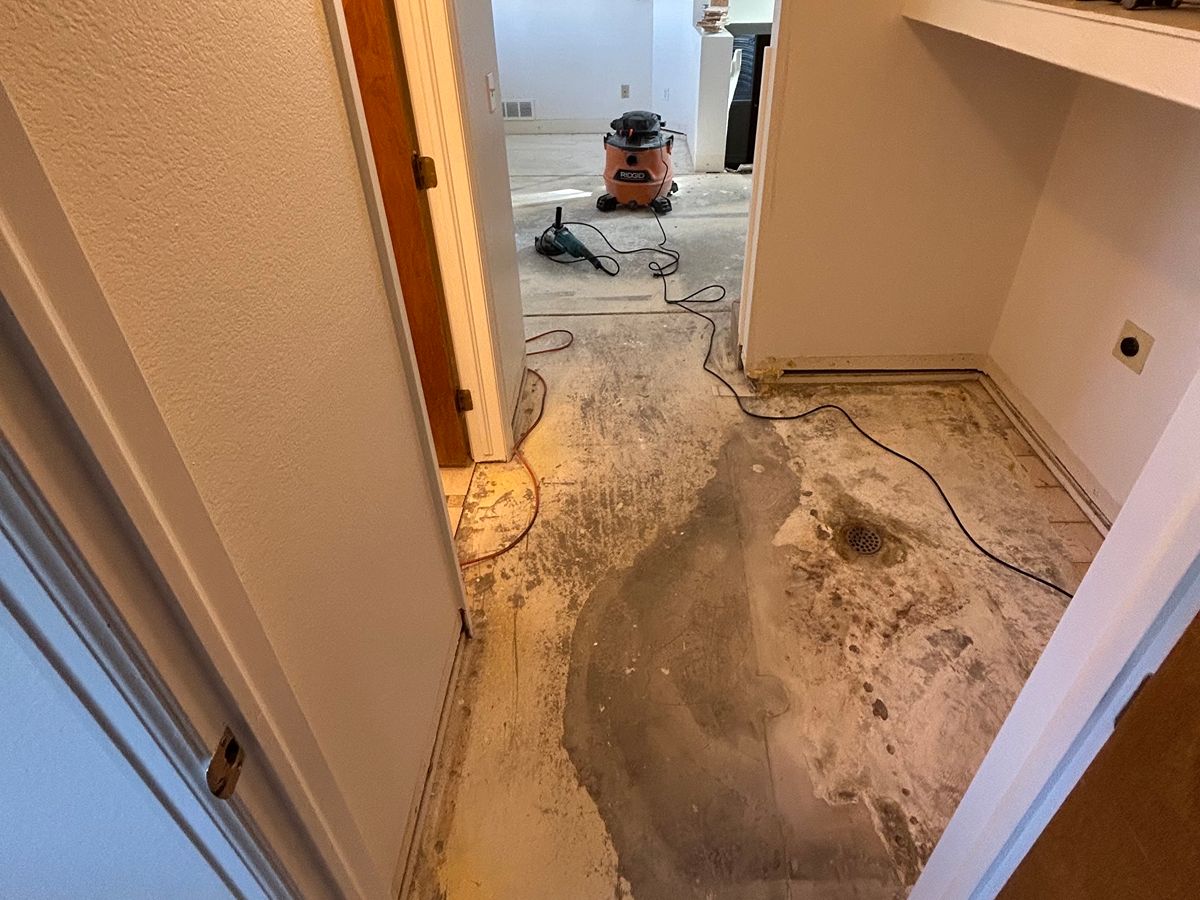
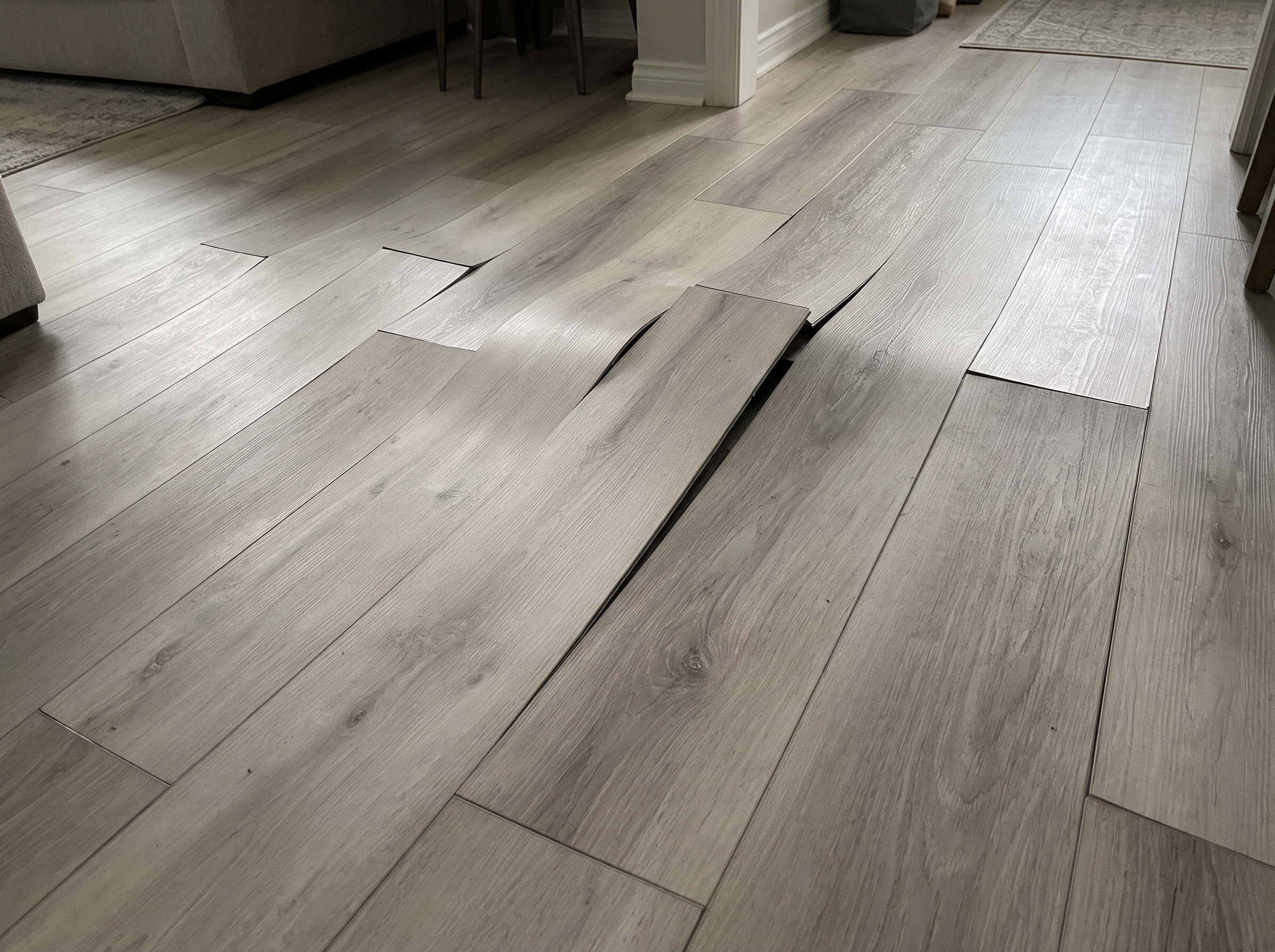
What you pay depends on your actual floor. A tired oak floor that still has plenty of wood left to sand is a different job than a floor with deep gouges, pet stains, or boards that need patching before any sanding can start. Repairs, stair treads, and closets all add to the total, and tight, cut-up rooms take more work than open floor space.
Refinishing makes the most sense in Denver’s older neighborhoods, where some early-1900s houses still have their original hardwood underfoot. A solid wood floor can usually be sanded several times over its life, so refinishing can keep an original floor going instead of replacing it.
Why is floor sanding so expensive?
Labor is most of what you pay for in a refinish, and sanding is where much of that labor goes. A proper sand-and-refinish takes the floor down with progressively finer grits so the surface ends up smooth enough to accept finish evenly, and that means several trips across the same room with heavy equipment.
The cost also reflects what sanding demands from a crew. Edges, corners, and stair nosings have to be handled separately from the main field, gaps and nail holes often need filling, and the whole floor gets vacuumed and tacked clean before finish touches it. No sanding is completely dust-free, even with dust containment. If your floor is in good shape and the wear has not reached the wood, a screen-and-recoat skips the heavy sanding entirely and costs far less, often around $2 to $2.50 per square foot in Denver, because you are refreshing the finish rather than rebuilding it.
How much to stain hardwood floors?
Staining is a separate step with its own cost, added on top of the base refinishing price. If you are happy with your floor’s natural color and just want a clear finish, you can skip it and keep that money. Staining makes sense when you want to change the tone, even out color across old and patched boards, or match a floor to millwork elsewhere in the house.
Stain also adds time. The stain has to be applied and then given hours to dry before any clear finish coats can go over it, which pushes out the overall schedule. That drying step is not optional, since sealing over stain that has not fully dried can trap it and cause problems later. It is worth testing a stain on the actual wood rather than trusting a chip, since different woods take the same stain differently.
How long does it take to refinish hardwood floors?
Most hardwood refinishing jobs take a few days on site, and the finish you choose is what stretches or shortens that window. A water-based polyurethane dries fast enough to allow up to two coats in a day, with light foot traffic in socks usually fine about 24 hours after the last coat. An oil-based refinish tends to run longer, since oil-based finishes need several hours or more between coats, so fewer coats go down each day.
Dry time and cure time are not the same thing. A floor can be dry enough to walk on in socks within about a day of the last coat, but it is nowhere near fully cured. Water-based finishes generally reach full cure in around 7 days, while oil-based can take up to 30 days. Until then the finish is still hardening. Humidity and temperature both change drying times, so a cold basement room will lag a warm upstairs one.
Can I stay in my house while floors are refinished?
It depends almost entirely on the finish. Oil-based polyurethane gives off strong solvent fumes that can irritate the eyes, nose, and throat and can worsen asthma, and health guidance is to stay out of the home until the finish cures and the odor fades, which can take more than two days. Plan to be elsewhere during an oil-based job, especially anyone with breathing problems.
Water-based polyurethane is lower in odor and VOCs, so it is often the practical pick when staying home matters, though good ventilation is still important and finishers generally advise keeping off the fresh coats regardless. Walk-on time comes first, and furniture and area rugs come later, on the finish maker’s schedule. Those windows vary by product, from about three days for some water-based finishes to as long as 30 days before furniture and rugs go back on some oil-based ones.
The biggest variables in your final cost are the wood’s condition, whether you stain, and which finish fits your household’s schedule and tolerance for fumes. We bring samples to your home so you can judge color in your own light, and every wood floor refinishing job we do in Denver carries a 100% satisfaction guarantee and a full 18-month warranty: if anything needs fixing in that window, we fix it at no charge, even if the problem was something you caused rather than our work. Every quote starts with a free in-home estimate at CMC Flooring LLC: call (720) 382-3006, or book a time that works for you.