In Denver, carpet is usually the cheaper floor to put in. Installed carpet here commonly runs from a few dollars up to about $9 per square foot, with mid-grade carpet and pad often around $4 to $6, while luxury vinyl plank generally lands around $5 to $12 per square foot installed, so a whole-room switch to LVP usually costs more up front even before you factor in prep. How big the gap is depends on the carpet grade you pick and the shape the subfloor is in.
Carpet wins on the sticker because you are paying for the material plus a pad plus labor, and mid-grade carpet plus a standard pad costs less per square foot than a plank with a thick wear layer that has to be cut, clicked or glued down one row at a time. LVP needs a flat, clean base, and leveling an uneven floor adds to the prep line on the quote. When you compare two quotes side by side for the same room, the carpet total is usually the lower number.
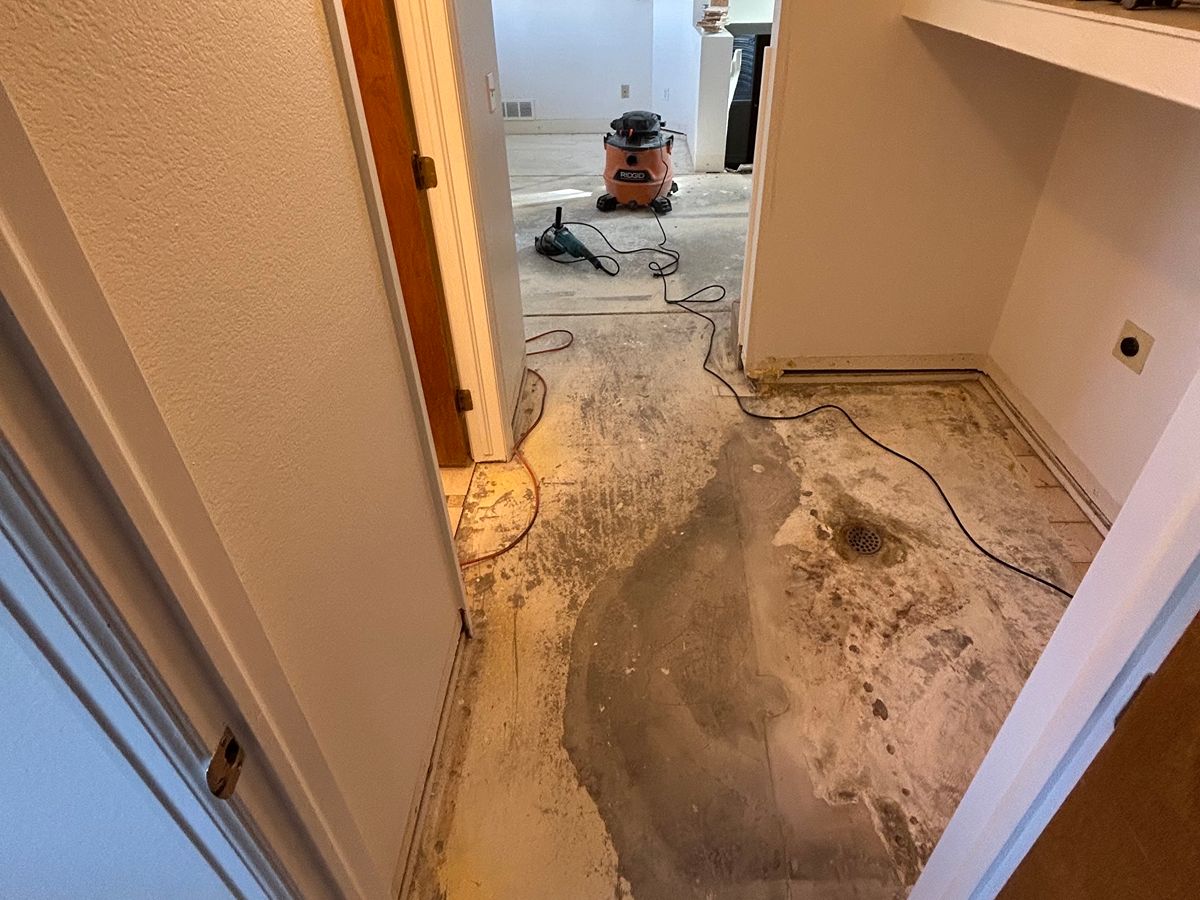
Price is not the only thing to weigh on a lower level. Any concrete slab can let moisture vapor pass through even when the surface looks and feels dry, so a below-grade slab should be checked for moisture before anything goes down. Carpet handles a dry, sealed slab fine and feels warmer on cold mornings, but near a floor drain, a wet bar or a bathroom, vinyl or tile is the safer call. So the cheaper floor is not automatically the right floor once you know where the water can come from.
How much should I expect to pay for good quality carpet?
For good residential carpet in Denver, mid-grade carpet with pad often runs around $4 to $6 per square foot installed, with thicker pads and higher grades going up to about $9. A better pad costs a little more, but it is what protects the carpet and helps it last, and where your project lands in that range depends on the fiber and the pile you choose for your carpet installation. Polyester and olefin are generally the budget fibers, while nylon usually costs more and is the common choice for heavy foot traffic, which matters in a busy hallway or a kids’ room.
The bigger thing to nail down is what the number actually covers. Ask the installer to spell it out:
- Is the pad included, or is it a separate line?
- Is removal and disposal of the old flooring in the price?
- Are furniture moving, stairs and trimming extra?
Those add-ons are where a quote grows. Those installed figures usually include the pad, but tearing out and hauling away the old carpet is often priced as its own line, and older homes sometimes need subfloor repair on top of that.
Should I replace carpet with LVP?
Replace carpet with LVP when the room takes water, heavy traffic or pets, and keep carpet where warmth and quiet matter more. LVP costs more up front, generally $5 to $12 per square foot installed in Denver, but it is waterproof, scratch resistant and easy to wipe clean, which is why it has become such a popular hard-surface pick. Worn or stained carpet in a main living area drags a space down, and swapping it for new vinyl plank installed over a prepped base usually reads as an upgrade.
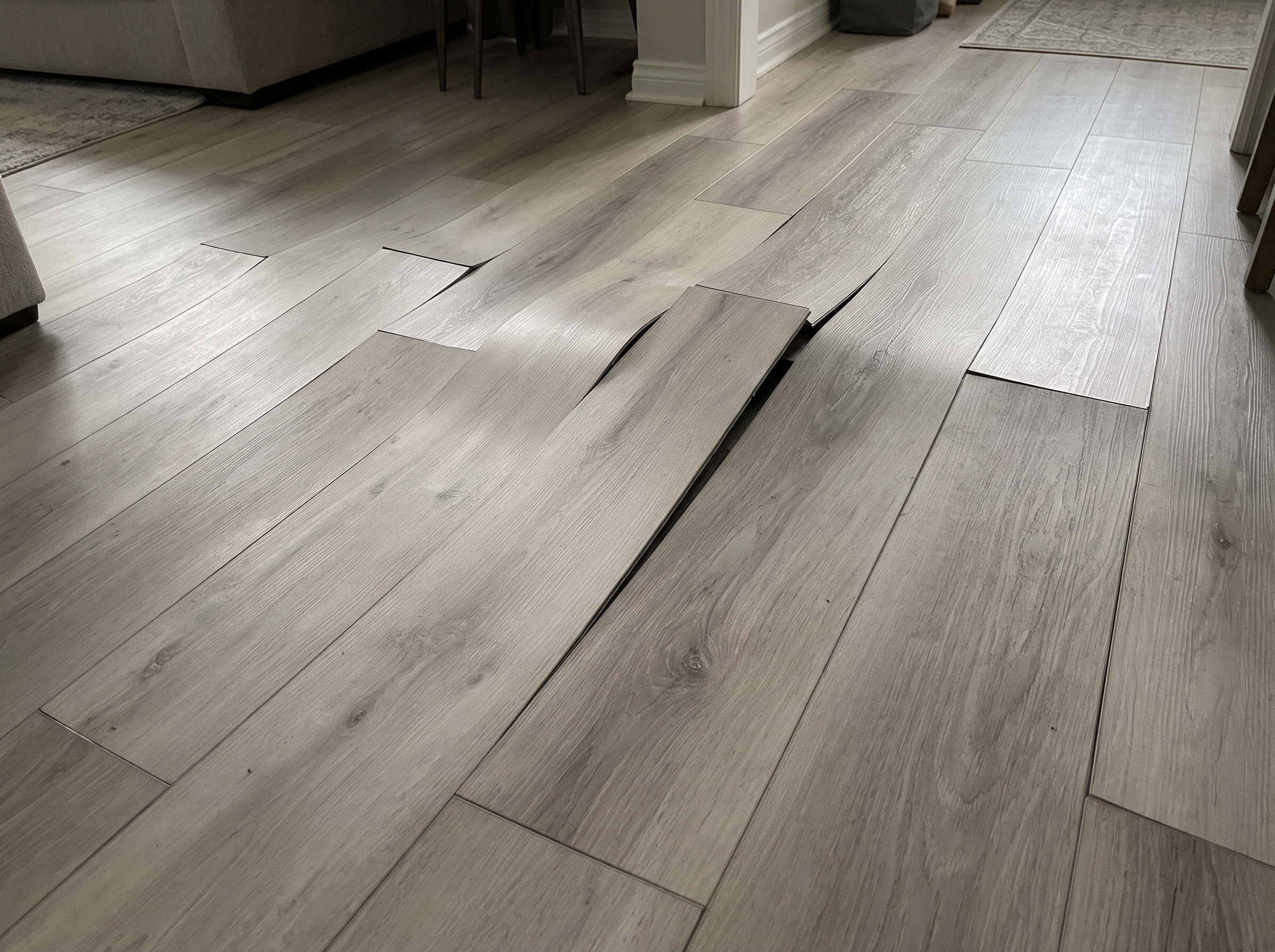
The catch is what sits under the carpet. LVP wants a flat, clean base, so if you are pulling carpet off a slab or an uneven subfloor, expect a leveling step, and over a basement slab that step matters because the concrete can push moisture upward. If the room is dry, gets used hard and you want one continuous look, the move usually pays off in daily livability.
Do people prefer carpet or LVP in bedrooms?
Bedrooms are the one room where carpet still holds its own, and the choice comes down to which trade-offs matter more to you:
- Carpet: warmest and quietest underfoot, softer for bare feet and kids, but it holds dust and can bother allergy sufferers, and it needs regular cleaning to stay fresh.
- LVP: waterproof, wipes clean in seconds and easier on allergies, but it is harder and colder to step onto and carries more footstep noise than carpet.
The split shows up plainly in basement bedrooms. Carpet is far quieter underfoot than vinyl and feels warmer, which suits a below-grade bedroom or office, as long as the space stays dry and sealed. If that lower-level bedroom sits near plumbing or you have a household that reacts to dust, vinyl or a hard surface may serve you better. Upstairs, where moisture is a non-issue, the decision leans almost entirely on comfort versus cleaning. A common way to split the difference is to run hard surface through the main areas and keep soft, warm carpet in the bedrooms.
Does changing carpet to LVP increase home value?
Swapping tired carpet for LVP can make a Denver home show better, but treat any dollar return quoted for it with care. In the National Association of Home Builders’ What Home Buyers Really Want study, 81 percent of buyers rated hardwood floors in main-level living areas as essential or desirable, and LVP is the value stand-in for that look: it reads as a modern update when it replaces worn carpet, without the hardwood price tag.
If your carpet is stained, dated or holds odors, replacing it is the easier call. If it is newer and neutral, a full switch may not pay for itself. The strongest value play is matching the floor to each room and its price point, not ripping out every square of carpet on principle.
Whether it is a cold basement bedroom or tired carpet in a living room you want to update before listing, the right floor starts with a look at the room and the subfloor under it. We handle carpet installation, LVP, laminate and hardwood, we bring samples to your home so you can compare them in your own lighting, and every job carries a 100 percent satisfaction guarantee plus a full 18-month warranty. Call CMC Flooring LLC at (720) 382-3006, or book your free in-home estimate online.